Free UK Delivery on Orders Over £50


UK Business
UK Owned & Operated

Excellent on Trustpilot
Rated by our customers

Free UK Delivery
On orders over £50

Discreet Packaging
100% Discreet & Secure
What makes lubricant body safe? Learn how ingredients, pH, osmolality and compatibility support a comfortable, confident intimate experience at home.
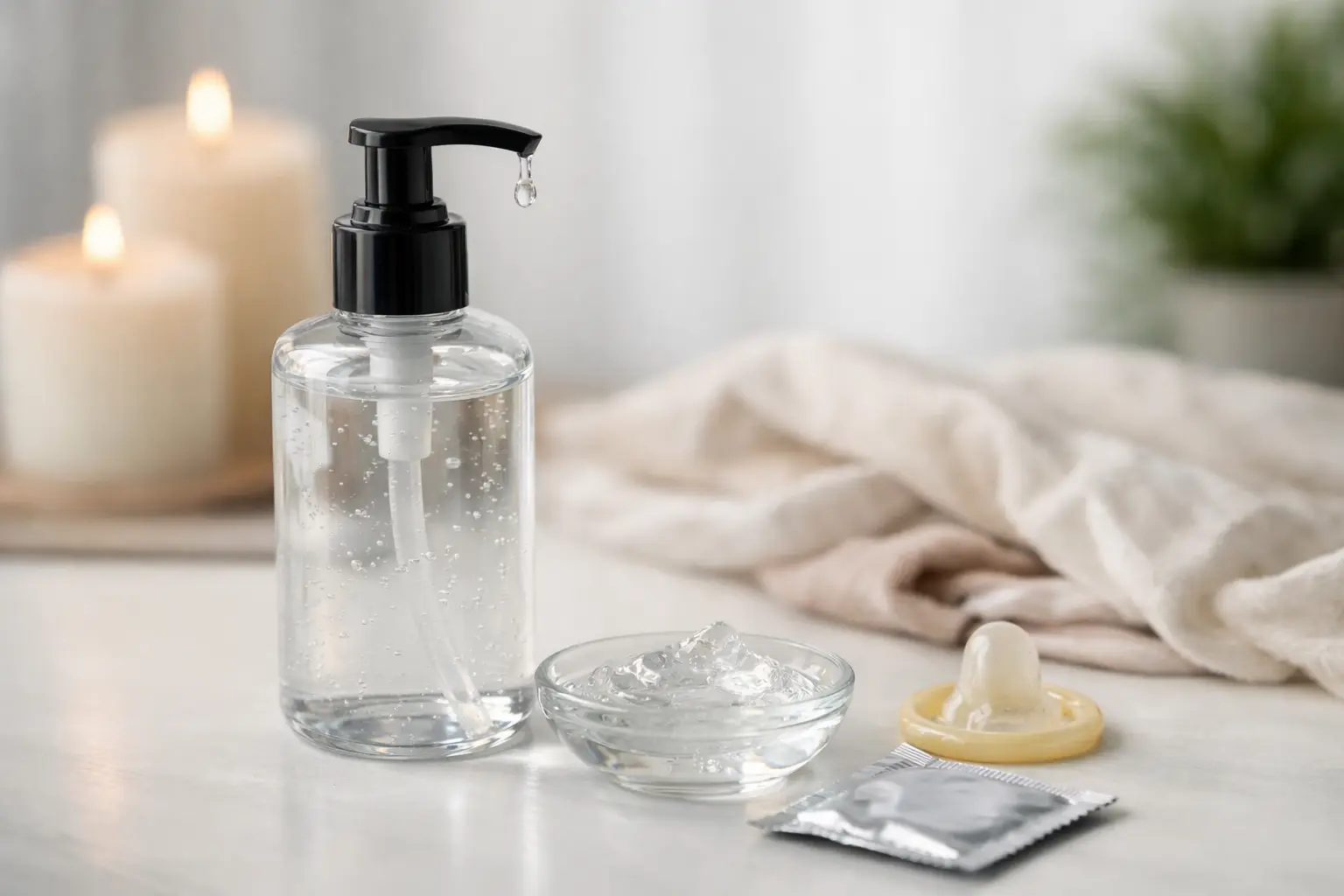
A beautiful bottle and a familiar brand name can feel reassuring, but comfort comes down to what is inside the formula and how it suits your body. What makes lubricant body safe is not one magic ingredient or a single label. It is the thoughtful balance of gentle ingredients, sensible formulation and compatibility with your chosen condoms, toys and type of play.
The right lube should make intimacy feel more comfortable, not leave you distracted by stinging, dryness or irritation afterwards. Whether you are choosing a first lubricant, finding a better match for sensitive skin or adding something luxurious to a shared experience, a little ingredient knowledge can make all the difference.
In intimate care, “body-safe” generally means a lubricant has been formulated for use on delicate external skin and, where stated, internal vaginal or anal tissue. It should be clearly labelled for its intended use, made with ingredients that are appropriate for intimate contact, and tested to meet relevant safety standards.
That said, body-safe is not a tightly defined promise that guarantees every formula will suit every person. Bodies vary. A lube that feels silky and comfortable for one person may cause sensitivity for another, particularly if they are prone to thrush, dermatitis, recurrent irritation or allergies.
A genuinely considered lubricant also gives you the information needed to choose well: its base, ingredient list, condom compatibility, toy compatibility and intended application. Vague claims are less useful than clear, practical guidance.
Most lubricants fall into three main categories: water-based, silicone-based and oil-based. Each has strengths, and the safest choice depends on how and where you plan to use it.
Water-based lube is often the most versatile starting point. It is usually suitable for use with latex condoms and most sex toys, rinses away easily and is a comfortable option for solo or partnered play. It can be especially useful when you want a simple formula that is easy to incorporate into your routine.
The trade-off is that it can dry out sooner than other types, particularly during longer sessions or in warm conditions. Reapplying is entirely normal. A quality water-based lube should feel smooth rather than sticky, and should not leave the skin tight or uncomfortable as it dries.
Silicone-based lube is exceptionally long-lasting and slippery, making it a popular choice for shower play, massage and anal intimacy. It does not absorb into the skin as quickly as water-based formulas, so a little often goes a long way.
It is generally compatible with latex condoms, but it needs more care around silicone toys. Some silicone lubes can affect the surface of some silicone products over time, especially when left in contact. Check both labels first and, if you are unsure, use a water-based formula with silicone toys. Silicone lube also takes more effort to wash away, which can be a benefit or a drawback depending on your preference.
Natural oils can feel rich and nourishing on external skin, and some people enjoy them for sensual massage. However, oil-based lubricants should not be used with latex condoms because oil can weaken latex and increase the risk of breakage. They may also be unsuitable for internal vaginal use for some people, as they can be difficult to rinse away and may upset the natural balance of the area.
For condom-protected sex or versatile toy play, water- or silicone-based products are usually the more reliable choice.
The most comfortable lubricants are designed with the body’s natural environment in mind. This is where pH and osmolality become useful, even if they are not the most glamorous words on a label.
Vaginal pH is naturally acidic, commonly around 3.8 to 4.5 for many people before menopause. A vaginal lubricant that is formulated with this environment in mind may be a better choice for anyone who experiences frequent discomfort or imbalance. However, vaginal needs can change through hormonal shifts, pregnancy, menopause, medication and personal health, so there is no universal perfect number for every body.
The anus has different needs. It does not self-lubricate in the same way as the vagina, so anal-specific lubricants are often thicker and longer-lasting. Comfort, generous application and adding more when needed matter greatly. Avoid relying on desensitising or numbing products for anal play, as pain is valuable feedback that tells you to slow down, stop or use more lubrication.
Osmolality describes how concentrated a formula is compared with your body’s cells. A very high-osmolality lubricant can draw water from delicate tissue, which may contribute to dryness or stinging for some users. Lower-osmolality formulations are often considered gentler for internal use, though personal experience still matters. If a product repeatedly causes burning or soreness, stop using it rather than trying to push through the discomfort.
An ingredient list does not need to be frightening. Preservatives, for example, help keep water-based formulas stable and hygienic after opening. The question is whether the overall formula works well for you.
Fragrance, flavouring, glitter and intense warming or tingling additives can be enjoyable for some adults, but they add possible irritants. If you have sensitive skin, are trying a new lube or have had reactions in the past, a fragrance-free, unflavoured formula with a shorter ingredient list is often a sensible place to begin.
Glycerin is another ingredient that deserves nuance. It is widely used to create a smooth texture, and many people use glycerin-containing lubes with no issue. Yet those who are prone to recurrent thrush or irritation may prefer to try a glycerin-free option and see whether it feels more comfortable. This is about personal suitability, not a rule that glycerin is automatically unsafe.
The same goes for botanical extracts. Aloe can feel soothing in some formulas, while essential oils and heavily perfumed plant ingredients can be too stimulating for delicate tissue. “Natural” does not always mean gentler, particularly for internal use.
A lubricant is only body-safe when it is also safe alongside the products you use. Always check the packaging rather than assuming.
Water- and silicone-based lubes are generally suitable with latex condoms. Oil-based formulas are not. If you use non-latex condoms, such as polyisoprene or polyurethane, follow the condom manufacturer’s guidance, as compatibility can differ.
Toy material also matters. Water-based lubricant is the easiest all-round choice for most vibrators, bullets, wands, rabbits and anal toys. Silicone-based lube may be suitable with toys made from materials such as glass, metal or ABS plastic, but it can be a poor match for some silicone toys. Never guess when protecting a premium product is as simple as reading its care instructions.
After use, wash toys as directed and clean away any remaining lubricant. Proper care supports both hygiene and the lifespan of your collection.
Start by thinking about the experience you want. For everyday versatility, a gentle water-based lube is hard to beat. For extended play, water play or anal use, a high-quality silicone-based formula may offer the staying power you want. For external massage, oils can be lovely, provided latex condoms are not part of the plan.
Choose products that clearly state their intended use, are transparent about ingredients and give direct compatibility advice. If your skin is reactive, patch test a small amount on the inner arm first, remembering that intimate tissue can still respond differently. Introduce one new product at a time so it is easier to recognise what agrees with you.
Persistent burning, swelling, unusual discharge, pain or irritation deserves attention from a pharmacist, sexual health clinic or GP, especially if symptoms do not settle after stopping the product. Lubricant should support sexual wellbeing, not mask an issue that needs care.
The best choice is the one that lets you stay present, relaxed and comfortable. Treat lubricant as an essential part of pleasure rather than an afterthought: choose it with the same care you would give a favourite toy, a quality condom or any other intimate essential.


